
Why Mattress Materials Affect Long-Term Comfort
Key Takeaways
-
A mattress that feels soft and luxurious on night one can become uncomfortable after 5–8 years if its mattress materials break down unevenly.
-
Foam density, coil gauge, comfort layers, and support cores are the biggest technical factors behind mattress durability and mattress longevity.
-
Body weight, sleep position, body type, and chronic pain change how quickly a mattress wears, so the right mattress is personal.
-
High-density foam, responsive coil systems, and natural latex help reduce premature sagging, body impressions, motion transfer, and loss of lumbar support.
-
Durable high-quality materials may cost more upfront, but a good mattress can support better sleep, emotional balance, and overall well-being for a decade or more.
Why Long-Term Comfort Feels Different From First-Night Comfort
That “hotel bed” feeling usually comes from immediate comfort: soft quilting, plush foam, and a smooth cover. Long-term comfort is different. It depends on whether the deeper mattress components keep their shape after thousands of nights of compression.
This is the simple answer to why mattress materials affect long-term comfort: materials regulate temperature, relieve pressure points, contour to the body, and support the spine. When those materials lose resilience, mattress performance changes.
A mattress that feels soft at first may not stay that way if the foam lacks density and structure. Over time, body weight, nightly movement, and changing sleep positions reshape foam layers and coil systems. The result can be rolling toward the middle, waking with stiffness, or feeling worn out even after a full night in bed.
A typical timeline looks like this:
|
Timeframe |
What often changes |
|---|---|
|
Years 1–3 |
Surface quilting compresses the mattress, making it feel slightly softer, and minor impressions may appear. |
|
Years 4–8 |
Low-density foam may flatten, lumbar support weakens, and motion isolation may decline. |
|
Years 7–10+ |
A high-quality mattress may still feel stable; lower-quality mattresses may sag within just a few years. |
What Mattress Materials Actually Do: An Overview
Mattress materials are categorized into support cores and comfort layers, affecting initial feel and long-term degradation.
Common materials include:
-
Polyurethane foam, including memory foam and standard polyfoam
-
Natural latex and blended latex
-
Steel coils, including innerspring and pocketed coils
-
Wool, cotton, and quilted fabric covers
Comfort layers create pressure relief at the shoulders, hips, and knees. Transition layers control how deeply the body sinks. The support core helps maintain spinal alignment and structural integrity. Covers affect temperature regulation, moisture control, and how the mattress feels against the body.
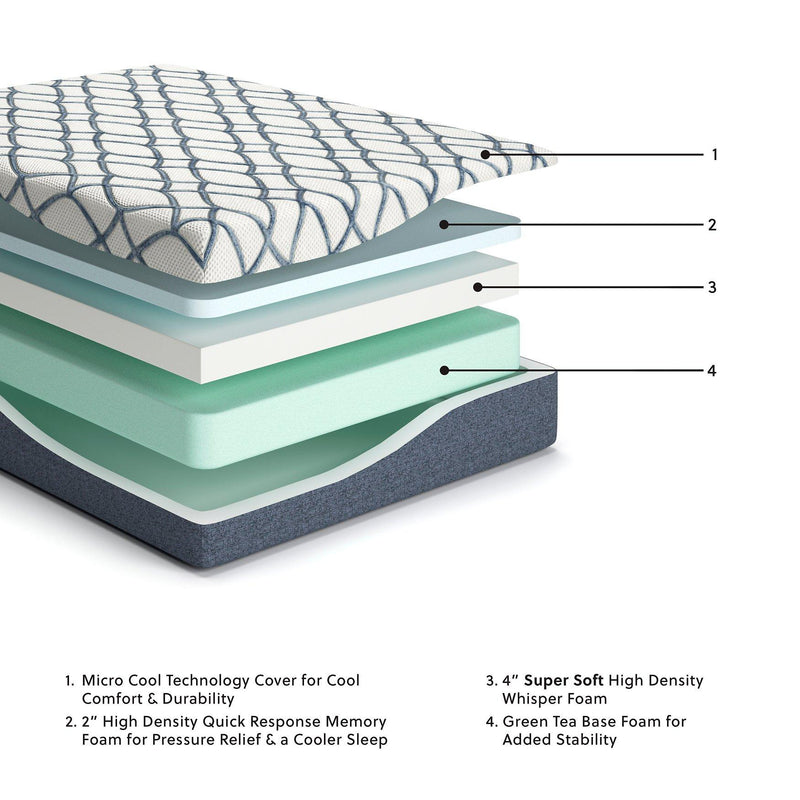
Long-term comfort depends on how all materials age together. Modern hybrid designs combine a thick pocketed coil base with top layers of foam or latex for pressure relief and cooling airflow. Hybrid mattresses combine pocketed coils with thick foam for balanced support, preventing deep sagging typical of some all-foam beds.
Foam Density: The Hidden Driver of Long-Term Comfort
Foam density means how much material is packed into a given volume, usually measured in pounds per cubic foot or kilograms per cubic meter. Mattress density does not mean firmness. A high-density foam can feel plush, medium, or firm depending on formulation.
High-density foam generally lasts longer than lower-density foam because it has more material structure to resist compression and softening, which helps maintain consistent pressure relief over time. Foam density is a critical factor in mattress materials, with higher-density foams generally providing better durability and resistance to sagging over time.
As a practical guide:
-
Low-density foam in comfort layers may soften quickly.
-
Medium-density foam can work for many average sleepers.
-
High-density foam is more important for heavier sleepers, daily use, and the top 5–8 cm of comfort material.
-
High-resilience density foam in the support core improves mattress longevity.
Material quality directly impacts how long a mattress maintains comfort and support. Low-density foams and inferior components break down quickly, leading to sagging, poor sleep, and discomfort.
How and Why Mattresses Sag Over Time
Sagging is usually not sudden. It is material degradation after tens of thousands of compression cycles. Hips, shoulders, and the torso repeatedly press into the same zones, especially when one sleeper uses the same side of the bed every night.
The typical progression is:
-
Subtle softening
-
Small body impressions
-
Reduced lumbar support
-
Visible sagging
-
Poor spinal alignment and new aches
A good mattress design pairs high-density foam with the right coil gauge to maintain an even surface. Innerspring systems, which use steel coils, are common in mattresses and contribute to support, airflow, and overall mattress longevity.
Body Impressions and Surface Changes
Body impressions are dips that remain after the sleeper gets up. Minor impressions of about 2–3 cm can be normal in foam and fiber layers. Deeper impressions reduce pressure relief and make the surface uneven.
Common signs include a visible valley, a pillow top that no longer looks level, or a sloping surface toward the center of the mattress.
Loss of Lumbar Support and Hammocking
Hammocking happens when the midsection sinks lower than the chest and legs. A mattress should contour to the natural curve of the spine to maintain a neutral spine position, preventing muscle tension and discomfort.
Proper spinal alignment during sleep can help prevent neck pain, lower back tightness, and other discomforts associated with poor posture. A high-quality mattress designed for spinal alignment can contribute to better posture and mobility over time by allowing muscles to relax fully during sleep.
The coil gauge in innerspring mattresses is crucial for durability, with lower numbers indicating thicker and stronger coils that help maintain shape and support over time.
Motion and Edge Changes
As foams loosen, motion transfer can increase. Memory foam or pocketed coil mattresses are preferable for couples to reduce movement transfer during sleep. Materials like foam or pocketed coils are also recommended for motion isolation.
Pocketed coils contour to body shape, maximize airflow, and isolate motion. Pocketed coils last longer than standard interconnected coils due to reduced friction, maintaining support for 10 to 12 years.
Worn edges reduce the usable sleep surface. Strong edge support from high-density foam rails or reinforced coils helps couples use the full bed without feeling tipped off the side.
Density Is Not the Same as Firmness
Density describes what is inside the foam. Firmness describes how the mattress feels when you lie on it.
Think of density like the thickness of a book, and firmness like how easily the pages bend. Plush does not always mean low quality, and firm does not always mean durable.
The firmness of a mattress can significantly impact sleep quality, with some individuals reporting better sleep on softer mattresses and others on firmer ones. Studies have shown that medium-firm mattresses can reduce back pain, improve sleep quality, and decrease stress levels, leading to better sleep outcomes. Mattress firmness affects spinal alignment, muscle relaxation, and overall sleep quality, making it crucial for promoting better sleep and well-being.
Where Density Matters Most in the Mattress
Not every layer needs maximum density, but some areas need more long-term resilience: hips, lower back, shoulders, and edges.
Hips and Pelvis
The hips and pelvis are often the heaviest part of the body. If this zone collapses, the body sinks too deeply, and the spine curves downward.
Materials like high-density foams, responsive coils, or natural latex distribute body weight evenly, reducing pressure on hips, shoulders, and lower back, which helps joints recover more easily and decreases morning stiffness.
Lower Back and Lumbar Area
Proper lumbar support means the mattress supports the natural curve of the lower back without forcing it flat or letting it sag. Higher-density transition layers help bridge soft comfort layers and the firmer core.
Shoulders and Upper Body
Side sleepers need enough contouring to avoid numb arms and compressed joints. Memory foam cradles joints and offers superior pressure relief for side sleepers, but can trap body heat.
Low-density foams may feel plush at first, then flatten and create sharper pressure points.
Edges and Sitting Areas
Many people sit on the same edge every day. High-density foam rails or reinforced edge coils help preserve shape, edge stability, and consistent support for 8–10 years.
How Mattress Materials Influence Pressure Relief and Pain Over the Years
Pressure relief spreads body weight across a larger area. When comfort layers thin out, pressure concentrates at the hips, shoulders, knees, and lower back.
Sleep position dictates pressure points and support needed for spinal alignment. Side sleepers often feel shoulder and hip pain first. Back sleepers may notice lower back tightness. Stomach sleepers may feel strain if their hips sink.
For example, someone who slept well for six years may suddenly wake with shoulder pain because the comfort foam no longer cushions the upper body. This is not always aging in the sleeper; it can be aging in the mattress.
Body Weight, Sleep Position, and Material Choice
The right materials differ for a 55 kg side sleeper and a 100 kg back sleeper.
Use these guidelines:
|
Sleeper |
Helpful material direction |
|---|---|
|
Under 130 lbs |
Individuals under 130 lbs should prefer softer foam beds to activate pressure-relieving benefits. |
|
130–230 lbs |
Individuals between 130 and 230 lbs do well on standard medium-firm hybrid or foam options. |
|
Over 230 lbs |
Individuals over 230 lbs need a firmer mattress, ideally a hybrid with supportive pocketed coils to prevent sagging. |
|
Side sleepers |
Side sleepers require a softer to medium-firm mattress, about 4–6 out of 10, for proper cushioning. |
|
Back sleepers |
Back sleepers need a medium-firm mattress, about 6–7 out of 10, to support the lower back while maintaining spinal alignment. |
|
Stomach sleepers |
Stomach sleepers benefit from a firm mattress, about 7–8 out of 10, to prevent lower back arching due to sinking hips. |
Medium-firm surfaces promote comfort and proper spinal alignment universally for many sleepers, though body type and preference still matter.
Mattress Materials, Sleep Quality, and Emotional Balance
Long-term comfort is not only about avoiding aches. It supports sleep quality, deep sleep, and emotional balance.
Thermal comfort is essential for staying in deep sleep, as a mattress that traps heat can cause tossing and turning throughout the night. A mattress’s ability to regulate temperature can significantly impact sleep quality by influencing sleepiness and overall comfort.
Poor sleep is linked with irritability, anxiety, reduced focus, and higher stress levels. A stable mattress supports the body quietly, which can support better sleep and overall well-being.
Cooling, Airflow, and How Materials Age With Heat and Moisture
Heat buildup is a major comfort issue. Dense foams can feel warm if the airflow is poor. Hot sleepers should avoid dense foams unless they are infused with cooling gels.
Materials with open-cell structures, breathable coil systems, or natural components like wool and latex are recommended for hot sleepers. Breathable materials and advanced cooling technologies in mattresses allow air to move through the layers, helping to maintain a comfortable temperature during sleep.
Latex foam sleeps cooler than memory foam, provides a floating feeling, and can retain its shape for over a decade without sagging. Latex is highly durable, responsive, and naturally breathable, resisting sagging longer than many other foams.
Wool and cotton regulate temperature and wick moisture, but may compress over the first few years without degrading structurally. A breathable protector and proper care help reduce moisture, dust mites, odors, and foam softening.
Evaluating Long-Term Comfort When Shopping (Without Becoming an Engineer)
When paying attention to long-term comfort, ask about:
-
Foam density in memory foam, polyurethane foam, and support foam
-
Coil count, coil gauge, zoning, and pocketed coils
-
Edge reinforcement and strong edge support
-
Trial length, warranty terms, and recommended body weight range
-
How the mattress supports your normal sleep position
A 100-night risk-free sleep trial is advisable to allow full adjustment to a new mattress. Trial periods of 90 to 120 nights are common for mattress purchases, along with a solid warranty period of about 10 years. Warranties should cover sagging of 1 inch or less.
A useful source on construction basics is this overview of mattress coil types.
Red Flags for Poor Long-Term Comfort
Watch for:
-
Thick ultra-plush tops with unclear foam density
-
Missing details about comfort layers or support cores
-
Vague claims that one firmness fits every sleeper
-
Weak warranty language around body impressions
-
A mattress feels great in five minutes, but fails to keep your spine aligned when you roll
Care, Maintenance, and How to Preserve Long-Term Comfort
Even a high-quality mattress needs maintenance.
-
Rotate the mattress every 3–6 months if the design allows.
-
Use a breathable protector.
-
Keep the sleep environment dry and ventilated.
-
Use a supportive foundation with proper center support.
-
Review the mattress after 7–10 years of nightly use.
A good mattress can provide consistent comfort and durability for a decade or more, while lower-quality mattresses may begin to sag or lose support within just a few years. How long a mattress lasts depends on materials, care, body weight, and construction.
FAQ
How often should I replace my mattress if I want to maintain long-term comfort?
Many mattress types are designed for about 7–10 years of regular use, but actual replacement timing depends on body weight, material quality, and care. Replace sooner if sagging exceeds about 2–3 cm, body impressions grow deeper, or chronic pain improves when sleeping elsewhere.
Does a heavier person always need a firmer mattress for long-term comfort?
Not always. Heavier sleepers primarily need stronger support, higher-density foam, and durable coil systems. That often feels firmer, but a medium-feel mattress can still work if dense comfort layers and a stable core prevent deep hip sinking.
Are hybrids more durable than all-foam mattresses over time?
Not automatically. Hybrid construction can improve airflow, edge support, and deep support, but longevity depends on coil gauge and the quality of the top foam layers. High-density all-foam mattresses can also be durable when built well.
Can a mattress topper fix long-term sagging and body impressions?
A topper can improve surface softness and pressure relief in the short term. It cannot repair failed coils, weak support foam, or deep structural sagging. Use a topper to fine-tune a sound bed, not to rescue a collapsed one.
What’s the best way to test a mattress in-store for long-term comfort?
Lie down for 10–15 minutes in your normal positions. Check pressure at the shoulders and hips, whether your spine stays neutral, and whether changing positions feels easy. Then ask about foam density, coil gauge, comfort layers, and warranty coverage before buying.
Shop Now at Elite Home Furnishings & Decor for Mattresses & Furniture
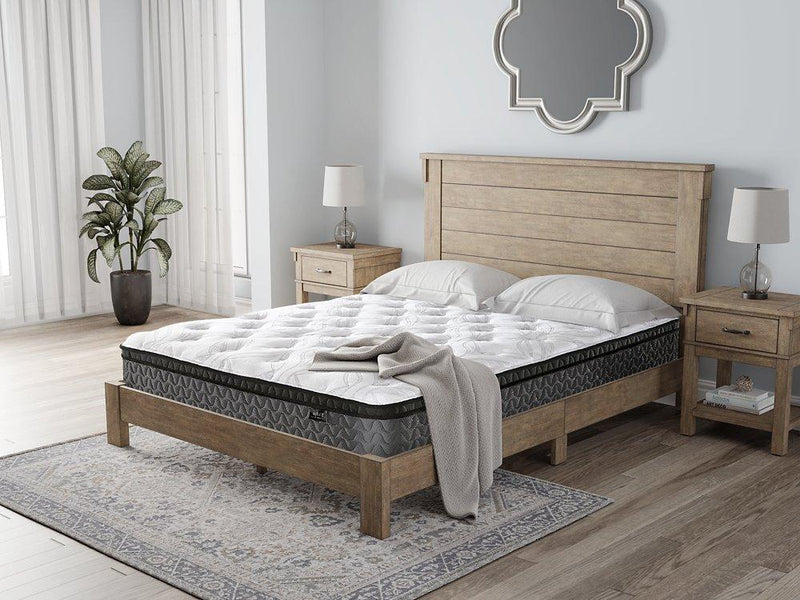
Shop now at Elite Home Furnishings & Decor and explore a thoughtfully curated selection of mattresses and furniture pieces designed to elevate both comfort and style in your home. Whether you're refreshing a single room or furnishing an entire space, our collection offers practical and stylish options for every lifestyle.
Get your mattress & furniture at Elite Home Furnishings & Decor and enjoy quality pieces made for everyday living and lasting comfort. From supportive mattresses to elegant furniture and decor accents, you’ll find everything you need to create a cohesive, comfortable, and inviting home environment.